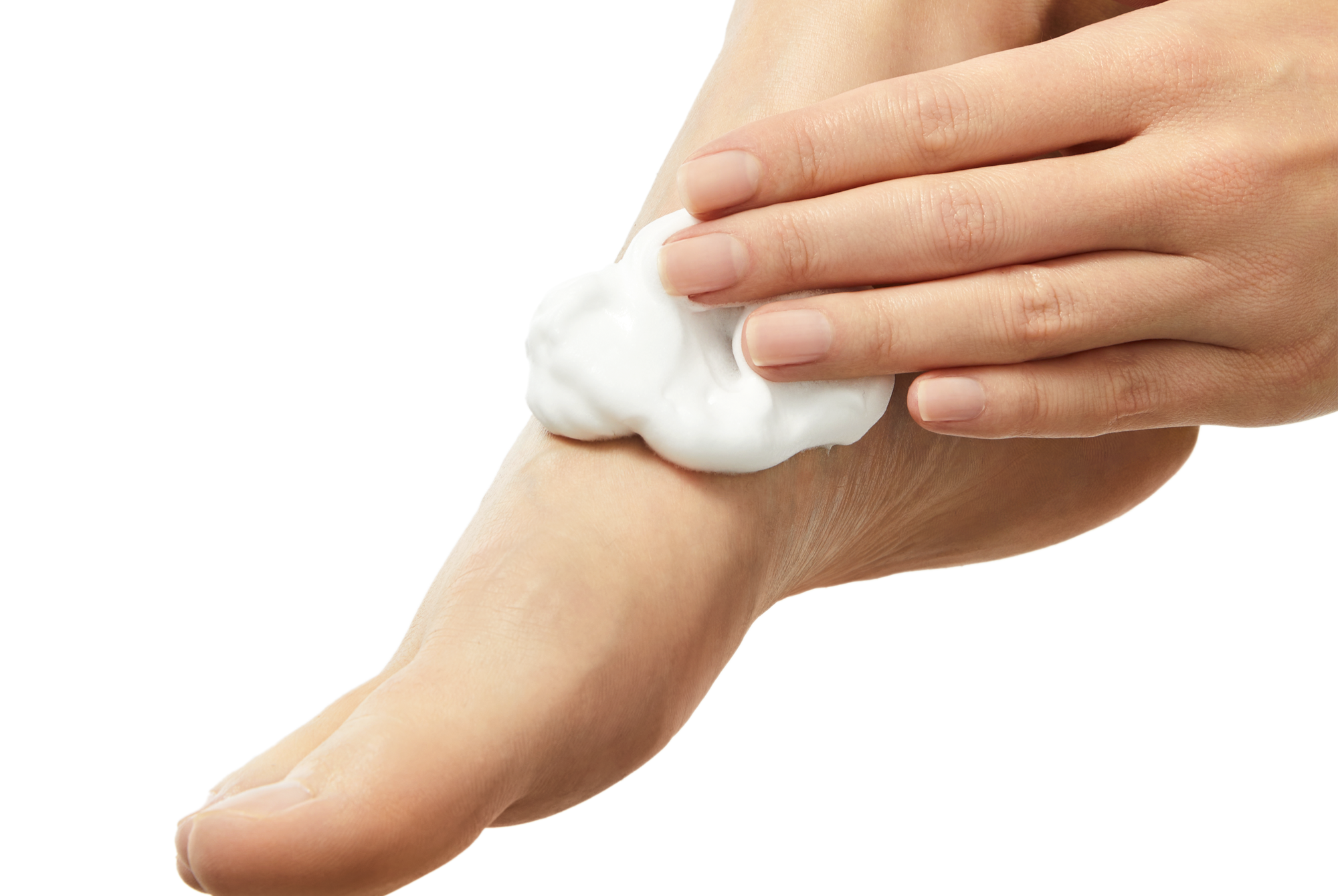
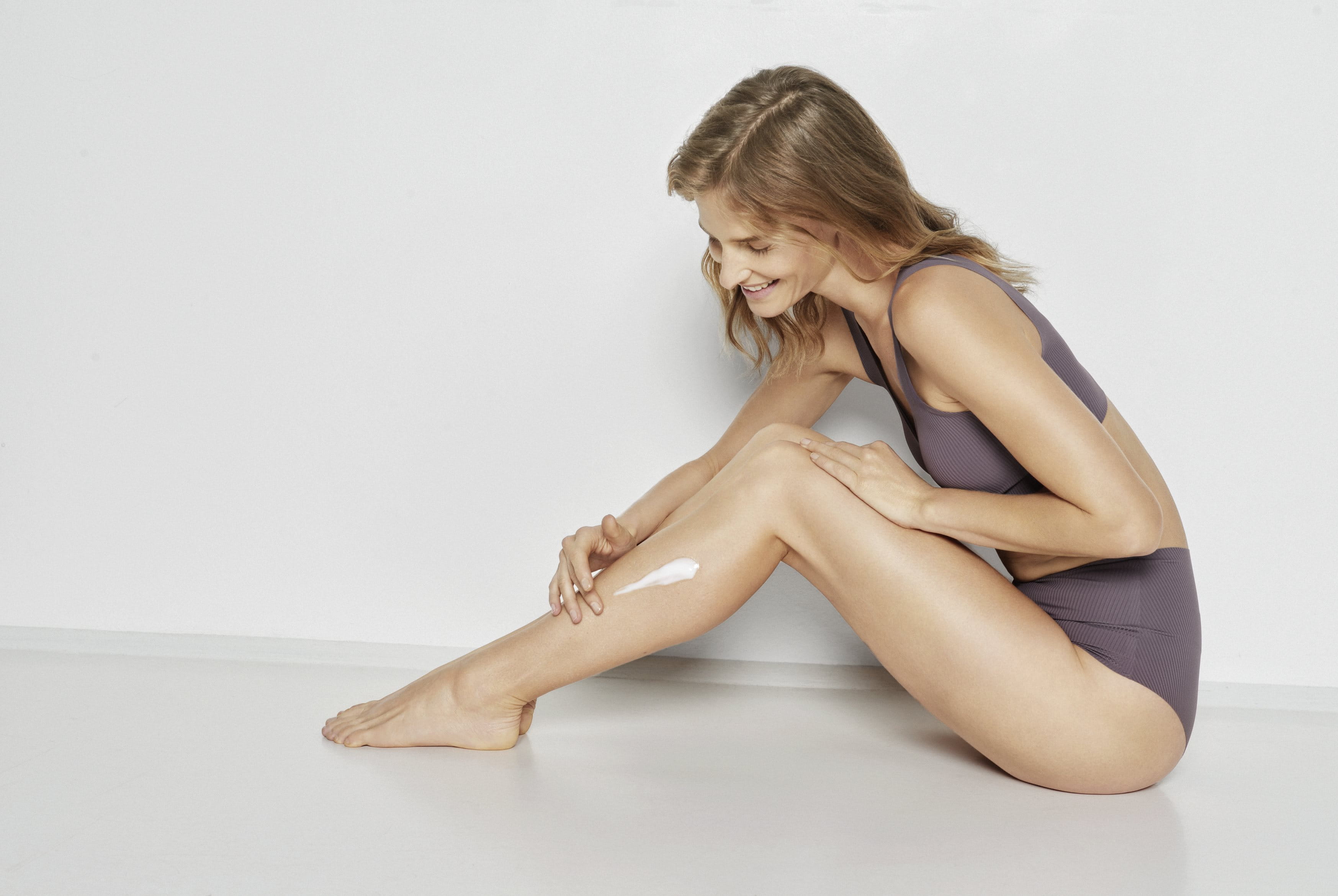
Itchy Legs - What causes them, and how can you help manage them?

Show more

Dry, itchy skin on the legs is uncomfortable and can get worse if left unaddressed. Whether on the thighs or the lower legs, dry, itchy skin has a number of different causes, internal and external.

Read on to find out what may be causing the skin on your legs to feel dry and itchy and how to help nourish and soothe your skin with Eucerin.

Why are my legs so itchy? – Causes of dry, itchy skin on legs

Itchy skin on the legs can be caused by a number of factors, both internal (intrinsic) and external. Here are some of the most common factors that can contribute to dry, itchy legs:

Internal factors that can cause dry, itchy legs:

  • Hormonal changes – Hormonal shifts that occur during things like puberty, pregnancy, or menopause can affect the amount of moisture or oils in the skin and skin’s level of sensitivity, leading to itchiness when skin becomes dry or irritated.
  • Genetics - Dry skin can be caused by genetic factors, whether due to having a dry skin type or being genetically predisposed to certain skin conditions that can lead to dry, itchy skin
  • Aging - The skin produces fewer natural oils and loses its ability to retain moisture as we age, making it more prone to dryness which can lead to itchiness.
  • Dehydration - When your body isn’t getting adequate hydration, this can affect the skin as well and lead to dehydrated, dry, itchy skin.
  • Skin conditions such as psoriasis and eczema
  • Circulation problems
  • Health conditions such as diabetes, some cancers, kidney or liver diseases

External factors that can cause dry, itchy legs:

  • Excessive exposure to moisture (showering or bathing) - if you take long showers or baths, particularly with hot water, this can disturb the skin’s moisture barrier, strip moisture from the skin and cause dryness which can lead to itchiness.
  • Climate and environment - Dry air, particularly cold, dry air during the winter months, can strip the skin of its natural moisture, causing exposed areas of skin to become dry and itchy. Similarly, dry heat or air conditioning used indoors can also be drying to the skin.
  • Photoaging - Prolonged and repeated unprotected exposure to the sun’s harmful UV rays can cause damage to the skin known as photoaging, which can lead to dry, itchy skin.
  • Sensitivity to certain ingredients – certain chemicals, soaps, fragrances or fabrics may irritate skin and lead to itching.
  • Shaving irritation – shaving can lead to post-shave irritation such as razor burn which can leave skin feeling dry and itchy.
  • Irritation from plants or bug bites – whether you’ve been bitten by a mosquito or brushed up against a nettle, legs are a common spot to encounter environmental itch-inducers like bug bites and plant irritants.

If you’re concerned that your itchy legs are caused by an underlying health condition, be sure to contact a trusted medical professional for further guidance.

Why scratching dry, itchy legs can make them even itchier

Scratching is a natural reaction to dry, itchy skin or bug bites, and may offer temporary relief, but frequent scratching can cause further damage to the skin’s moisture barrier and make the itchiness from dryness worse. This then prompts more scratching, causing more damage to the skin while the itching sensation persists. This is known as the itch-scratch cycle.

With this in mind, it’s important to take dry, itchy skin seriously and to care for it at an early stage.

How should I care for dry, itchy legs?

The first tip for caring for dry, itchy skin on your legs may sound obvious but is very important – don’t scratch! Scratching can make the itch worse and can be damaging to the skin.

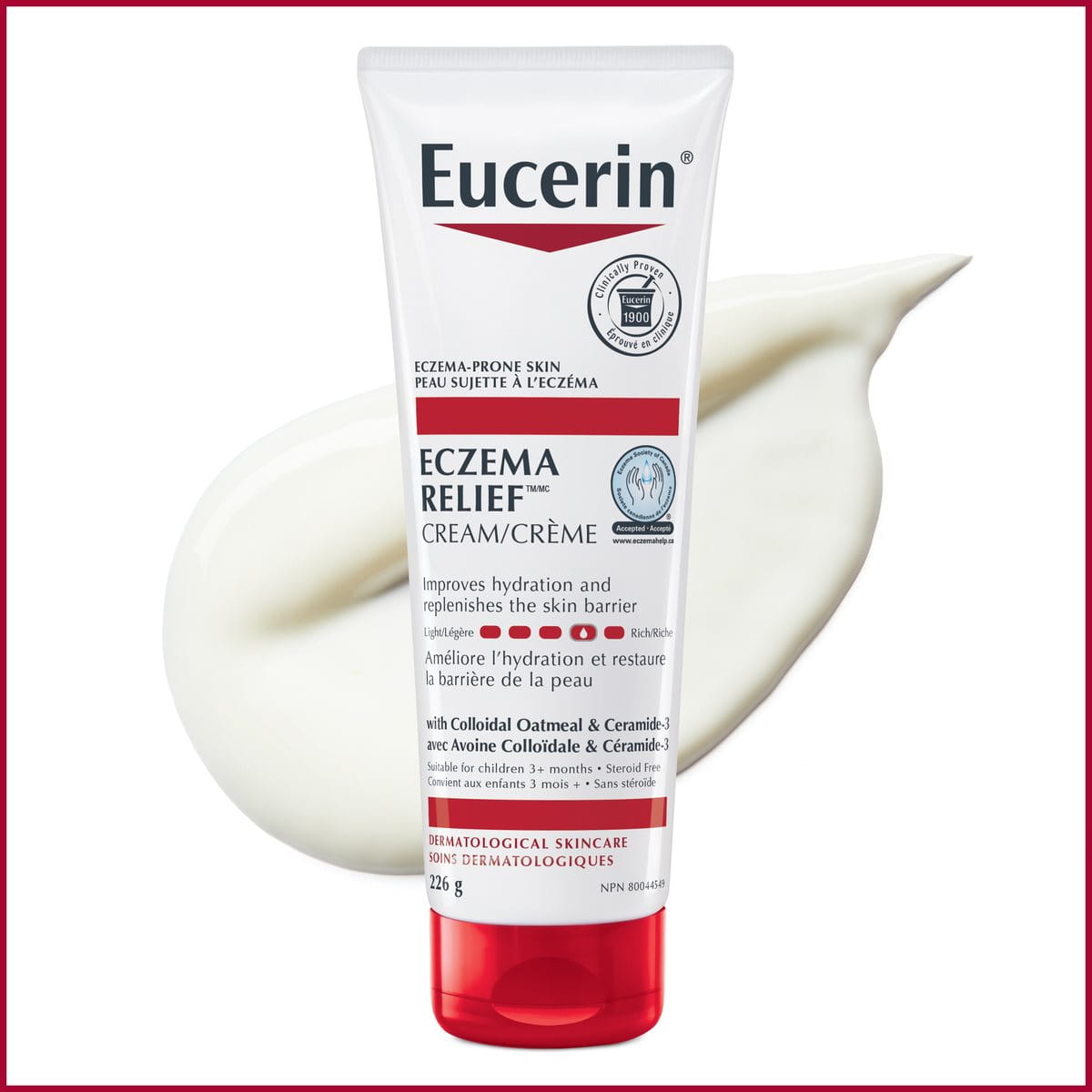
Dry, itchy skin benefits from regular and consistent skincare using products that have been specially formulated to address dry skin while providing relief to the itching associated with it.

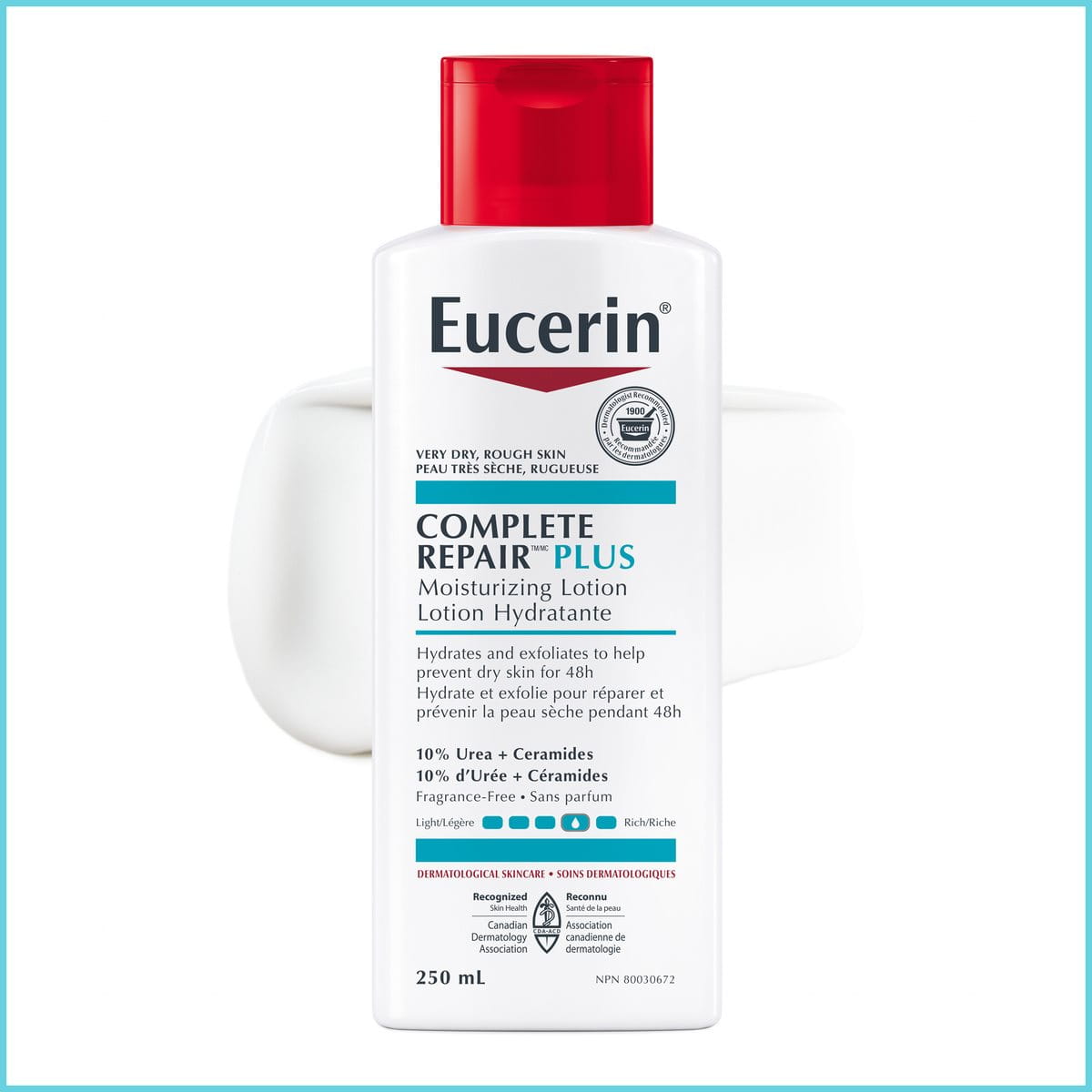
For itchy legs caused by very dry, rough skin, Eucerin® Complete Repair™ Plus Moisturizing Lotion exfoliates and intensely moisturizes while strengthening the skin’s natural moisture barrier, helping dry skin feel immediate relief that lasts up to 48 hours. This moisturizing cream is enriched with 10% Urea, Ceramide 3, and Glyco-Glycerol in a hypoallergenic and non-irritating formula that works to prevent moisture loss and bind in more water to the skin. It is clinically proven to immediately relieve very dry, rough skin for 48 hours for skin that looks and feels smooth and healthy again.

Eucerin Calming Lotion for Intensive Itch Relief gently relieves and soothes severe and constant itch due to dry skin for up to 12 hours. Formulated with Menthol (external analgesic) and enriched with Ceramide-3, this calming lotion provide fast and long-lasting relief in a gentle, fragrance-free, non-greasy formula that offers a gentle cooling effect. This unique fragrance-free formula works by replenishing the naturally occurring ceramides that protect your skin’s outer barrier, locking in moisture and providing long-lasting relief from bothersome itchiness caused by dry skin.

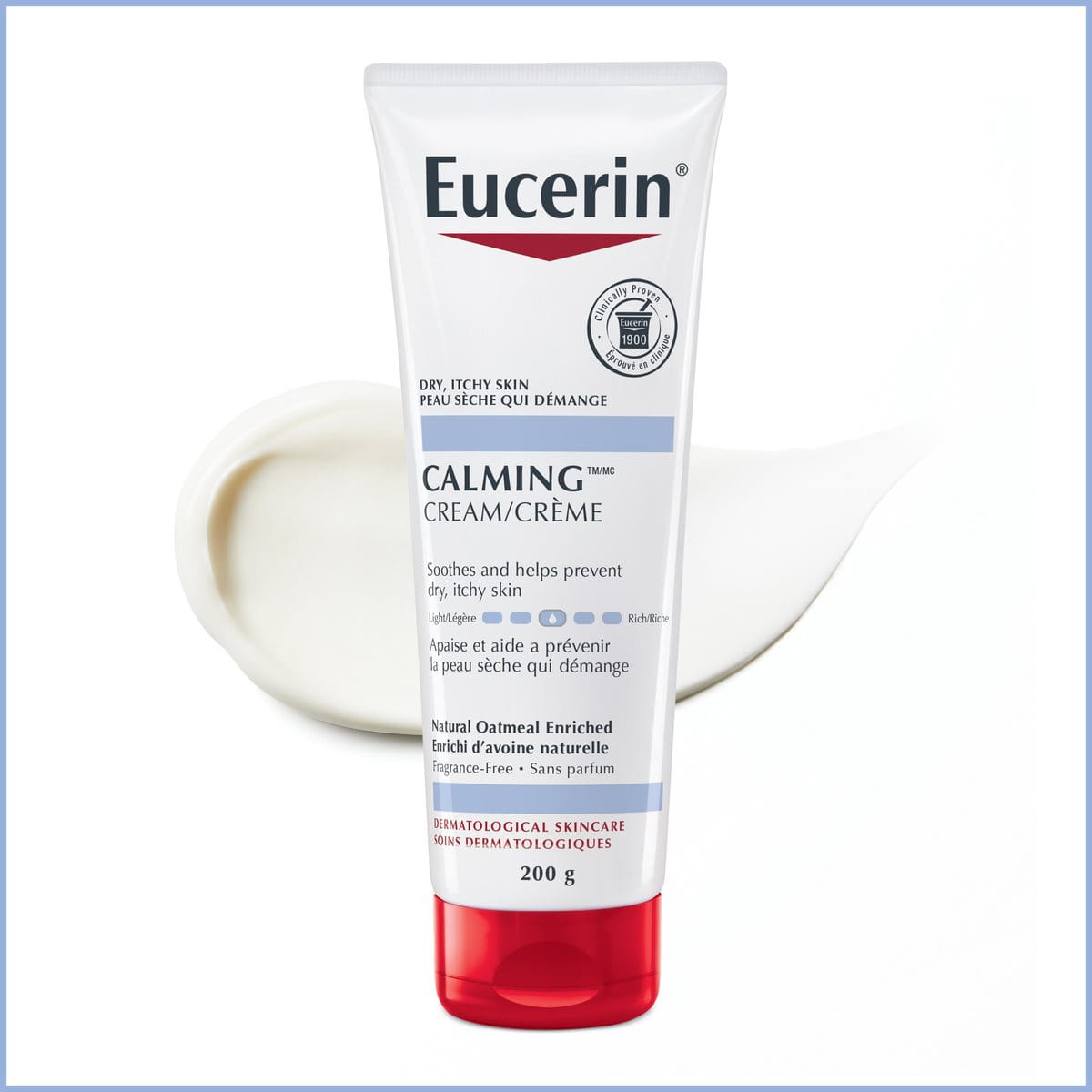
For all-day hydration for dry, itchy skin, try Eucerin Calming Cream. Purposefully developed to keep skin moisturized, this gentle formula contains Colloidal Oatmeal, glycerin, and dimethicone that helps provide soothing relief from itching due to dryness. This moisturizing lotion calms and helps prevent dry, itchy skin while delivering 24-hour hydration. Fragrance-, dye-, and paraben-free, Eucerin Calming Cream is proven to relieve itching with one single application (BDF Data on File 2003).

Caring for itchy legs at night

When your legs feel itchy, it can negatively affect your sleep. To help find relief, ensure that your bedding is clean and dry and that your room is well ventilated and cool to avoid exacerbating symptoms of existing skin conditions.

If you find yourself with bites or persisting itching that seems to be worse in bed, it can also be worth checking for bed bugs, as their bites can result in in itchy spots or bumps on the legs.

Caring for itchy legs after shaving or showering

Certain shower or bathing products, excessive moisture and shaving can all cause skin to become dry on the legs, which can then lead to itchiness. It’s important to try to understand what the trigger is, to then help alleviate symptoms of itchy legs.

Using a soap-free bath or shower product like Eucerin® Complete Repair™ Cleanser that is suitable for sensitive skin can help to reduce irritation and avoid drying out the skin. Suitable for use on both the face and the body, this cleanser helps to support the skin’s pH balance and protects skin from drying out.

Shaving can irritate the skin on the legs, leading to itching and moisture loss. To help minimize the risk of post-shave irritation, try to avoid shaving against the grain of your hair growth, and always make sure to use a clean, sharp razor when shaving. Using a gentle exfoliant can help to buff away dead skin and prepare the skin for shaving. Be sure to always moisturize your skin after shaving and showering to help support your skin’s moisture and prevent skin from drying out.
Caring for itchy legs after walking or exercising

Experiencing itchy legs after taking a walk or going for a jog could be caused by the stress you’re putting your body under. When exercising, blood vessels expand to help increase blood flow to muscles, but this can cause an itching sensation (similar to pins and needles). It should subside as your body adapts to the exercise, or as you finish exercising.

Tight or ill-fitting clothing that doesn’t allow sweat to evaporate can also cause rubbing and chafing which can then lead to itching. When exercising, wear breathable clothing to help minimize chafing and shower as soon as you can afterward to help rinse the sweat off your skin, being sure to moisturize afterward.

How to help prevent dry, itchy skin on legs from starting

When it comes to dry skin, prevention is key. Applying a moisturizer at the first signs of dryness can help prevent dry skin from getting worse and becoming more dry and itchy.

Other measures that can help prevent dry, itchy legs include:

  • In the winter, use a humidifier indoors to prevent air from drying out and bundle up when going outdoors to help protect your skin from the drying effects of cold, dry weather.
  • Keep baths and showers brief (5-10 minutes) and use lukewarm, not hot, water
  • Wear breathable, comfortable clothing.
  • Use mild, fragrance-free laundry detergents and avoid skin contact with harsh detergents or other potentially drying chemicals.
  • Use soap-free cleansers and avoid potentially drying skincare products like acetone-based nail polish remover.
  • Drink plenty of water to keep your body (and skin) hydrated.
  • Wear sunscreen every day year-round (even on cloudy days), and take proper sun protection measures such as wearing protective clothing, seeking shade, and avoiding direct sun exposure at peak hours of the day.

Soothe dry, itchy legs with Eucerin

Eucerin is a dermatologist-recommended skincare brand with skin care products designed to restore and sustain healthy-looking skin. We understand that dry skin can feel itchy and uncomfortable and have created lotions for dry, itchy skin to help bring relief and restore skin’s moisture.

For very dry, rough skin that can cause itchiness, try Eucerin® Complete Repair™ Plus Moisturizing Lotion with 10% Urea, or explore Eucerin’s other skincare products for itchy skin.

Dry, Itchy Legs FAQs (3)

  • What causes dry, itchy legs?

    Some causes of itchy legs include aging, exposure to dry air, bathing in hot water for extended periods of time, using harsh soaps or detergents, dehydration, genetics, and sun damage.

  • Can I get rid of dry, itchy skin on the legs?

    Many causes of dry, itchy skin can be addressed to help soothe it. To help manage itchy skin caused by dryness, moisturize regularly, avoid long, hot showers and instead take shorter showers with lukewarm water, protect exposed skin in cold, dry weather, stay hydrated, use a humidifier, and take proper sun protection measures.

  • What role does age play in dry, itchy skin?

    The body naturally produces less oil and Hyaluronic Acid as we age, causing skin to lose hydration and retain less moisture. Itchy skin can also be exacerbated at certain ages in people going through menopause or pregnancy.

Related Articles

The information provided herein is not intended to be medical advice. Nor is it intended to treat the underlying skin disease or condition. The information is provided solely to:

  1. Moisturize, soften and smooth dry skin
  2. Improve the appearance of the skin
  3. Achieve healthier-looking skin